 Irishman Gifts
Custom Cruise Door Plaque Ideas 2026: 7 Best Themes
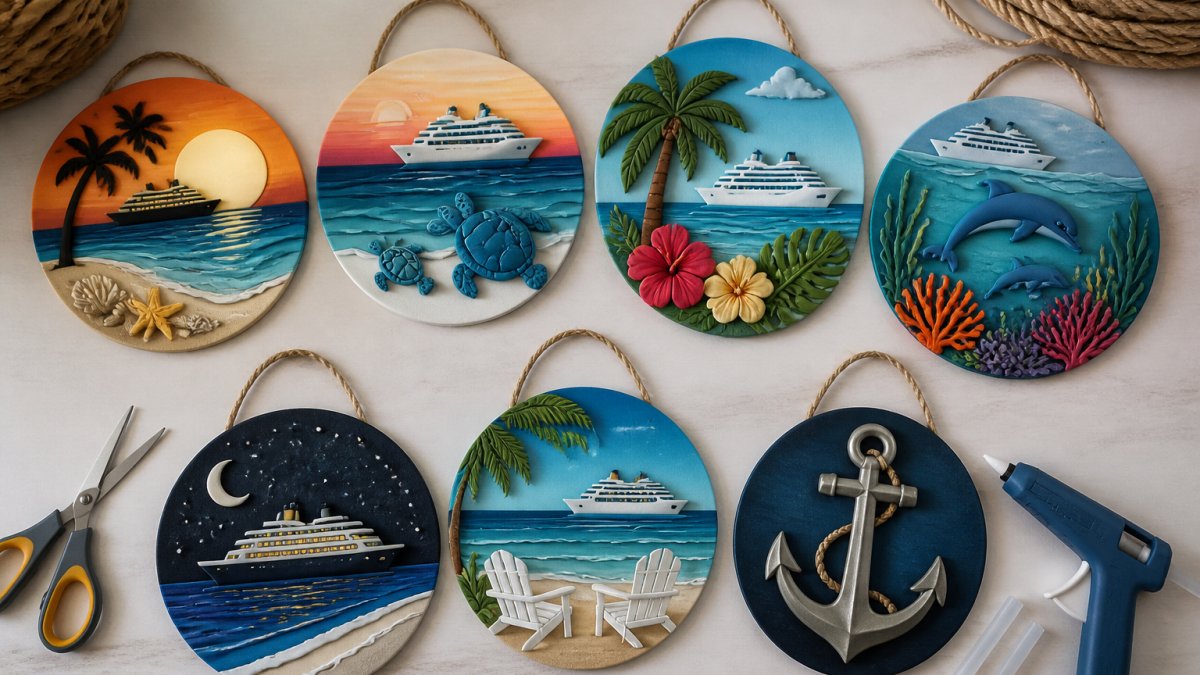
Table of Contents
- Custom Cruise Door Plaque Ideas 2026: What's Trending
- Cruise Door Sign Ideas for Families and Groups
- Cruise Door Magnets vs. Plaques: Which Sticks and Lasts
- Cruise Door Sign Sayings That Make People Stop and Smile
- Printable Cruise Door Signs: Budget DIY That Still Looks Good
- Cruise Line Rules, Materials, and Sizing for Your Plaque
- Conclusion: Pick a Plaque That Survives the Whole Voyage
- Frequently Asked Questions
Last Updated: October 12, 2026
Custom Cruise Door Plaque Ideas 2026: What's Trending
The best custom cruise door plaque ideas in 2026 lean toward laser-engraved wood, layered acrylic, and hand-finished resin pieces that survive a full sailing without fading or peeling. At Irishman Gifts, we build these keepsakes in small batches, one at a time. A cruise door plaque is a personalized sign or nameplate mounted on your stateroom door to identify your cabin and celebrate the voyage. This guide covers seven themes worth ordering, what actually sticks to a metal door, and the rules to check before you buy.
Why Stateroom Door Decorating Still Matters
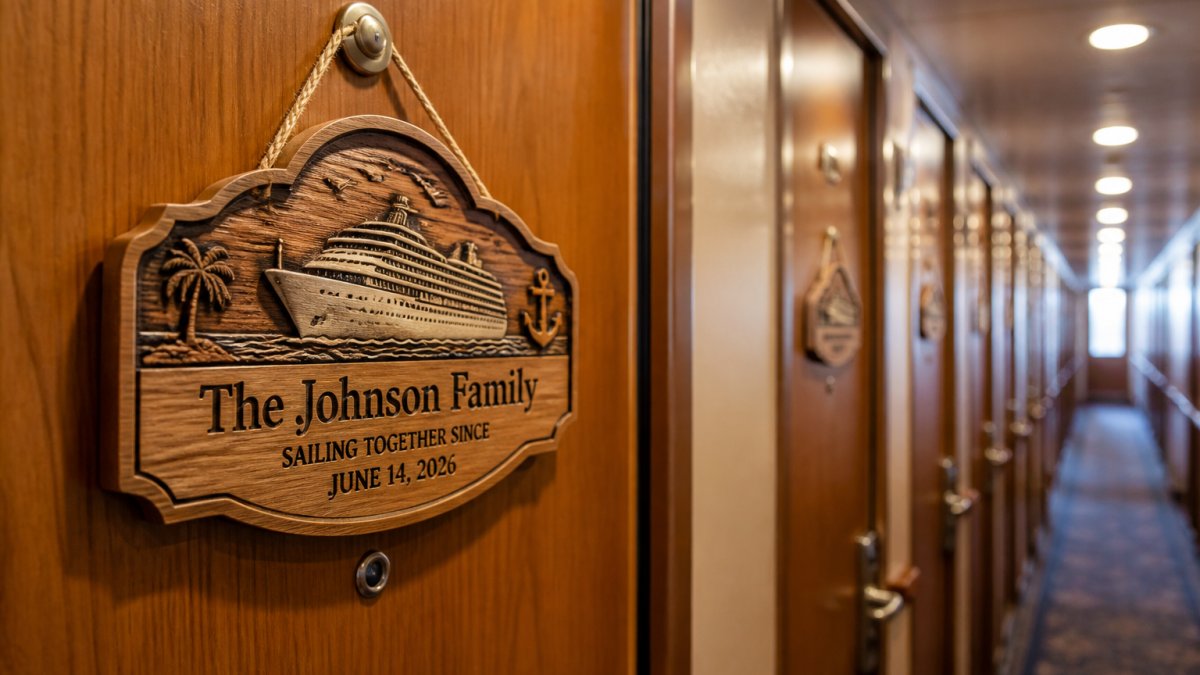
A decorated cabin door does two jobs: it helps your group find each other on a long hallway, and it turns a plain metal slab into a marker of your trip. Families traveling in multiple cabins rely on door signs to spot their deck at a glance. The plaque also becomes the keepsake you actually bring home, unlike the streamers you toss at the port. That dual purpose is why personalized pieces keep outselling generic decorations.
Cruise Door Sign Ideas for Families and Groups
Multi-cabin groups get the most out of a matched set of plaques. Order one design across every cabin, then vary the name and cabin number on each piece. A shared anchor motif with different family names reads as one group while still identifying each door.
For group cruises, a countdown sign works well on the organizer's door, with a small "days until sailing" number you update each morning. Kids love a door plaque with their own name on it, which also makes the cabin easier to find after a late show. We recommend ordering the whole set at once so the resin color matches across every piece.
Multi-Cabin Group Themes That Help Everyone Find Each Other
- Matching anchor set: same design, different family name per cabin
- Numbered fleet: each plaque stamped with a shared group name plus cabin number
- Color-coded decks: one resin color per deck
- Countdown board: one organizer plaque with a rotating day counter
Cruise Door Magnets vs. Plaques: Which Sticks and Lasts
Cabin doors on most mainstream ships are steel, which makes magnets the default attachment method, and most lines restrict adhesives that could leave residue or damage the door finish. But "magnet" is not a single thing. The backing you choose determines whether your plaque stays put through a week of slamming doors and humidity or slides to the floor by day two.
Magnet Types and What They Hold
- Flexible magnetic sheet (0.02-0.03 in thick): Best for lightweight pieces under about 4 ounces, printed signs, thin acrylic, small nameplates. Cheap, trims with scissors, but weak on textured or painted doors.
- Adhesive-backed neodymium disc magnets (typically 6-12 mm): Strong hold for wood and resin plaques up to roughly 8-12 ounces when you use four to six discs. Recess them into the back of the plaque so the surface sits flush.
- Magnetic tape strips: Convenient but the weakest option; fine for a card, unreliable for anything with weight or a hanging element.
- Rare-earth pot magnets with a housing: The most secure for heavier resin or layered acrylic pieces; the housing protects the magnet and spreads the load.
A practical rule: the plaque should not shift when you press a palm against it. If it does, add magnets or step up to a stronger type.
Sizing That Reads From the Hallway
A plaque roughly 8 to 10 inches wide and 4 to 6 inches tall is legible from several feet away without crowding the door. Keep the top edge below the peephole and leave the door handle and hinges clear. For group sets, standardize on one size so the hallway looks intentional rather than mismatched.
Material Durability, Ranked
| Material | Weight | Weather/Humidity | Reusable? | Notes |
|---|---|---|---|---|
| Laser-engraved wood | Moderate | Good if sealed | Yes, many sailings | |
| Layered acrylic | Light-moderate | Excellent | Yes | |
| Hand-finished resin | Heavier | Excellent | Yes | |
| Laminated cardstock | Very light | Fair | Usually one trip | Laminate both sides to stop curling |
| Unlaminated paper | Very light | Poor | No | Fades and tears; treat as disposable |
Attachment Mechanics That Actually Hold
- Clean the door with a damp cloth and let it dry, dust and sunscreen film cut magnet grip.
- Use at least four contact points for anything over a few ounces, spaced near the corners.
- Avoid over-door hooks on the peephole side; they can block the viewer and interfere with the door closing.
- Skip tape, putty, and adhesive hooks. Residue is the most common reason cruisers get charged a cleaning fee, and some lines ask you to remove all adhesives before disembarkation.
The 2026 Angle: Modular Backings
The most useful recent shift is modular backing systems, a plaque body that accepts swappable magnetic inserts for the name, cabin number, or sailing date. That lets a family reuse the same piece across multiple voyages and update only the insert, which is both cheaper and less wasteful than buying a new plaque each trip.
Cruise Door Sign Sayings That Make People Stop and Smile
The right saying turns a nameplate into a conversation starter. Short and specific beats long and clever, because people read it in passing. A few that hold up across a whole voyage:
- "Gone to the buffet, back in an hour"
- "The [Family Name] at Sea, [Year]"
- "Cabin [Number]: Do Not Disturb, We're on Vacation"
- "Sailing to Alaska, one glacier at a time"
- "Welcome aboard the [Group Name] reunion cruise"
Pair a saying with your sailing date and home port. That combination makes the plaque a dated keepsake rather than generic decor.
Printable Cruise Door Signs: Budget DIY That Still Looks Good
The tradeoff is durability. A printed sign survives one sailing well; a laser-engraved or resin plaque survives many. If you want a memento you'll rehang at home, skip the paper. If you want a fun, disposable display for a single trip, printable is fine.
Cruise Line Rules, Materials, and Sizing for Your Plaque
Most decoration policies share the same logic: nothing that damages the door, blocks the corridor, or introduces a fire risk. The specifics vary by line, so the checklist below covers the categories to verify rather than a single universal rule.
What Most Lines Allow
- Flat, fire-resistant decorations attached with magnets
- Personalized nameplates, signs, and small banners that lie flat against the door
- Seasonal and holiday designs that meet the same material rules
What Most Lines Prohibit
- Adhesives, tape, putty, and adhesive hooks that leave residue
- Open flames, candles, and anything requiring a power source
- String lights, garlands, and decorations that protrude into the hallway
- Items that cover the peephole, door handle, hinges, or cabin number
- Anything with offensive, political, or otherwise disruptive content
Fire Safety Is the Underlying Concern
Marine fire codes treat decorative materials as potential fuel loads, which is why "fire-resistant" shows up in nearly every policy. Look for materials labeled flame-retardant or self-extinguishing, and avoid loose paper, foam, and untreated fabric. For the general safety principles most lines apply to decorative materials aboard, see the U.S. Coast Guard boating safety resources.
Sizing and Placement
- Target roughly 8 to 10 inches wide by 4 to 6 inches tall for a readable plaque.
- Keep the peephole, handle, hinges, and cabin number fully visible.
- Do not let anything extend past the door edge into the corridor.
- Confirm the door is steel before ordering a magnetic piece; some newer ships use wood veneer or composite panels that magnets will not hold. If your door is not magnetic, ask the line what attachment method they permit.
Privacy and Etiquette
This is the part most guides skip. A door plaque is public to everyone walking the hallway, so avoid full names of children, home addresses, phone numbers, travel dates that reveal when your house is empty, and booking or reservation numbers. Use first names, a group nickname, or a cabin number instead.
Keep the display quiet and unobtrusive. Do not block a neighbor's door, do not add sound, and remove decorations before disembarkation unless the line says otherwise. If a crew member asks you to adjust or remove something, comply without debate, they are applying the same fire and safety rules to every cabin.
Accessibility and Inclusive Design
For multigenerational groups or travelers with low vision, a few choices make a plaque far more usable:
- High-contrast color pairs (dark text on light background, or the reverse)
- Large, simple type, avoid thin scripts and decorative fonts at small sizes
- A single strong icon or shape that is recognizable from a distance
- One consistent design per group so members can recognize their set at a glance
What to Check Before You Order
- Confirm your ship's door is steel, not veneer or composite
- Read your line's decoration and fire-safety policy
- Measure your door and pick a plaque that leaves the peephole clear
- Choose a magnetic backing over adhesive
- Remove personal information from the design
- Order group sets together for matching finish
Conclusion: Pick a Plaque That Survives the Whole Voyage
The plaque that wins is the one still hanging on day seven, still legible, still yours. Magnetic backing, fire-safe materials, and a design tied to your sailing date get you there. At Irishman Gifts, we hand-finish every piece in small batches, mix our resin colors by hand, and retire each design after 20 to 30 pieces, so your cabin door carries something genuinely one-of-a-kind. Our laser etching and 3D printing hold fine detail, and orders of $35 or more ship free within the US. Shop the collection.
Frequently Asked Questions
Are cruise door decorations allowed on every ship?
No. Each cruise line sets its own rules, and some restrict what can go on cabin doors. Most major lines allow magnetic decorations but prohibit anything that damages the door surface, such as tape, glue, or command strips. Fire safety rules also limit flammable materials. Check your specific cruise line's policy before you buy, and stick to magnets rather than adhesives. If you're unsure, call the line directly and ask what's permitted on stateroom doors.
How do you attach a cruise door plaque to a cabin door?
Magnets are the standard method because cabin doors are metal. Most plaques ship with magnetic backing or you can add magnetic strips yourself. For heavier wooden plaques, use two or three strong neodymium magnets rated for at least 5 pounds each. Avoid tape, glue, or suction cups, which can leave residue or fail at sea. Test the hold before you leave home by sticking the plaque to your refrigerator and giving it a light tug.
What materials work best for a custom cruise door plaque?
Lightweight materials hold best on a metal door. Laser-engraved and resin plaques are popular because they're durable and won't warp in humidity. Avoid glass or heavy ceramic, which can crack or fall. If you're ordering from a small-batch studio, ask whether the piece is sealed for moisture resistance, since ship hallways can be humid.
Can you personalize a cruise door plaque with names or a sailing date?
Yes, and most custom makers offer this as standard. You can add a family name, individual first names, a sailing date, the ship name, or a short saying. Some studios also let you choose fonts, colors, and graphic elements like anchors or palm trees. If you want something very specific, send a mockup request before ordering. Hand-finished makers often confirm the design with you before production starts.
How big should a cruise cabin door sign be?
A plaque between 8 and 12 inches wide fits most cabin doors without overwhelming the space. Height usually runs 6 to 10 inches. Smaller nameplates around 6 inches wide are a good choice for multi-cabin groups where each door needs its own identifier.
Frequently asked questions
Are cruise door decorations allowed on every ship?
No. Each cruise line sets its own rules, and some restrict what can go on cabin doors. Most major lines allow magnetic decorations but prohibit anything that damages the door surface, such as tape, glue, or command strips. Fire safety rules also limit flammable materials. Check your specific cruise line's policy before you buy, and stick to magnets rather than adhesives. If you're unsure, call the line directly and ask what's permitted on stateroom doors.
How do you attach a cruise door plaque to a cabin door?
Magnets are the standard method because cabin doors are metal. Most plaques ship with magnetic backing or you can add magnetic strips yourself. For heavier wooden plaques, use two or three strong neodymium magnets rated for at least 5 pounds each. Avoid tape, glue, or suction cups, which can leave residue or fail at sea. Test the hold before you leave home by sticking the plaque to your refrigerator and giving it a light tug.
What materials work best for a custom cruise door plaque?
Lightweight materials hold best on a metal door. Laser-engraved and resin plaques are popular because they're durable and won't warp in humidity. Avoid glass or heavy ceramic, which can crack or fall. If you're ordering from a small-batch studio, ask whether the piece is sealed for moisture resistance, since ship hallways can be humid.
Can you personalize a cruise door plaque with names or a sailing date?
Yes, and most custom makers offer this as standard. You can add a family name, individual first names, a sailing date, the ship name, or a short saying. Some studios also let you choose fonts, colors, and graphic elements like anchors or palm trees. If you want something very specific, send a mockup request before ordering. Hand-finished makers often confirm the design with you before production starts.
How big should a cruise cabin door sign be?
A plaque between 8 and 12 inches wide fits most cabin doors without overwhelming the space. Height usually runs 6 to 10 inches. Smaller nameplates around 6 inches wide are a good choice for multi-cabin groups where each door needs its own identifier.