 Irishman Gifts
Mindful Creations Woodworking Alternatives for Custom Gifts
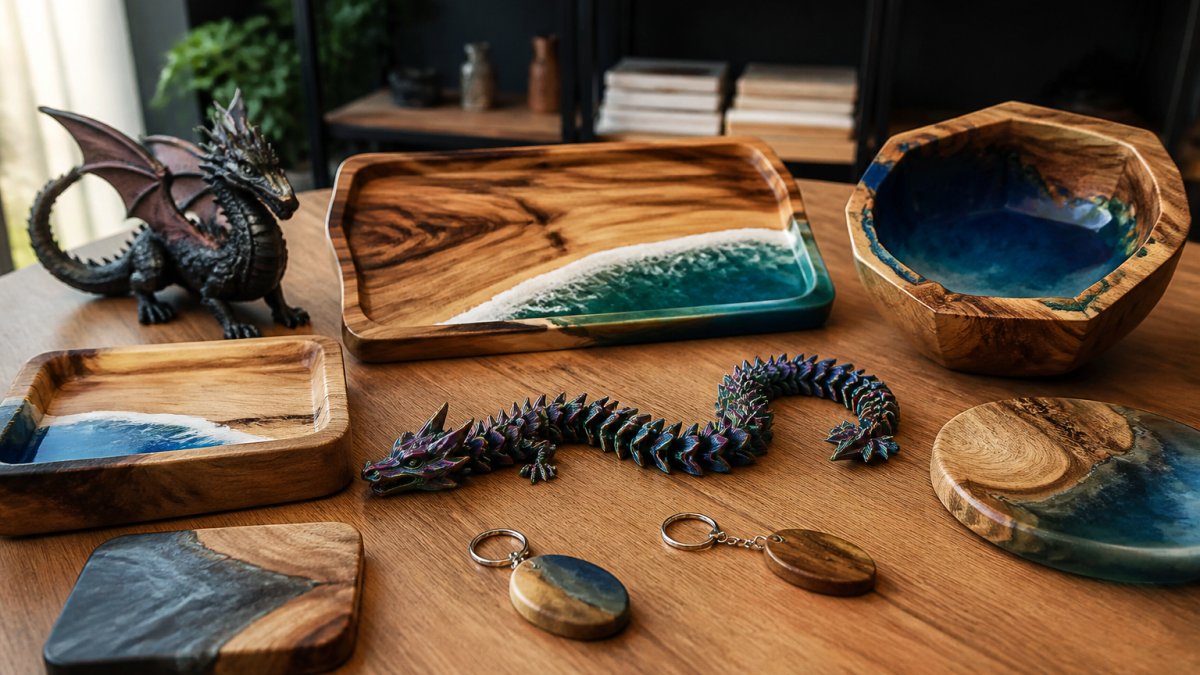
Table of Contents
- Why Buyers Search for Mindful Creations Woodworking Alternatives
- Comparison Table: Custom Gift Makers Side by Side
- Custom Wood Gifts: What Sets Makers Apart
- Personalized Wooden Gifts and Handcrafted Keepsakes
- Custom Laser-Engraved Gifts: Design Approval and Personalization Limits
- Custom Handmade Gifts: Assessing Craftsmanship and Materials
- Turnaround Times, Pricing, and Shipping: What to Expect
- How to Choose the Right Custom Gift Maker for Your Needs
- Frequently Asked Questions
Last Updated: October 11, 2026
Why Buyers Search for Mindful Creations Woodworking Alternatives
Shopping for custom gifts alternatives means balancing uniqueness, craftsmanship, price, and turnaround time. This guide breaks down what separates reliable makers from those that disappoint, and how to evaluate custom gifts alternatives before committing your money and timeline.
People search for alternatives for many reasons: a maker is booked solid, you need something outside their usual offerings, price sensitivity, or you want to compare options. Knowing what questions to ask saves costly mistakes.
Comparison Table: Custom Gift Makers Side by Side
| Maker Type | Best For | Typical Turnaround | Customization Flexibility | Price Range |
|---|---|---|---|---|
| Small-batch resin studios | Unique, hand-finished pieces | 2-4 weeks | High (design approval process) | Variable by complexity |
| Laser-engraved wood makers | Personalized wooden gifts with text/graphics | 1-2 weeks | Moderate (template-based) | Budget-friendly to mid-range |
| 3D-printed artisans | Detailed fantasy items, functional decor | 2-3 weeks | High (digital customization) | Mid-range |
| Handcrafted woodworking shops | Custom furniture, serving pieces | 4-8 weeks | High (commission-based) | Premium |
| Mass-produced "personalized" retailers | Quick turnaround, standardized designs | 3-5 days | Low (limited personalization) | Low to mid-range |
Custom Wood Gifts: What Sets Makers Apart
The difference between a forgettable gift and a treasured one comes down to material quality, attention to detail, and hand-finishing. A maker who hand-finishes every piece is fundamentally different from one who uses automation.
When evaluating custom wood gifts, ask makers about their process: Do they source specific wood types? Apply multiple finish coats? Show examples in actual homes, not just white backgrounds? These details determine whether your gift ages gracefully.
Irishman Gifts hand-finishes every piece with hand-mixed resin colors and final inspection, ensuring no two items are identical. This approach costs more in labor but creates genuinely special gifts rather than mass-produced items.
Personalized Wooden Gifts and Handcrafted Keepsakes
Personalized wooden gifts and handcrafted keepsakes balance thoughtfulness with reasonable turnaround times. Examples include cruise cabin plaques, family name serving trays, and custom-painted dragons, pieces people actually use and display.
A laser-engraved plaque with your name is personalized; a hand-finished piece where wood grain, resin color, and engraving work together as unified design is a keepsake. The latter tells a story.
When shopping for handcrafted keepsakes, ask if the maker inspects every piece and provides photos before shipping. Makers who invest in quality control signal they stand behind their work.
Custom Laser-Engraved Gifts: Design Approval and Personalization Limits
Laser-engraved gifts are fast and affordable but have real limits: text, simple graphics, and clean lines work; photorealistic images, complex gradients, and intricate patterns do not.
Understanding these limits saves frustration. A laser-engraved box with initials and date works in 1-2 weeks; a photorealistic portrait will disappoint.
Ask about design approval: Do they send digital proofs before engraving? Charge for revisions? Work with custom designs or limit you to templates? These questions separate serious makers from those treating customization as an afterthought.
Custom Handmade Gifts: Assessing Craftsmanship and Materials
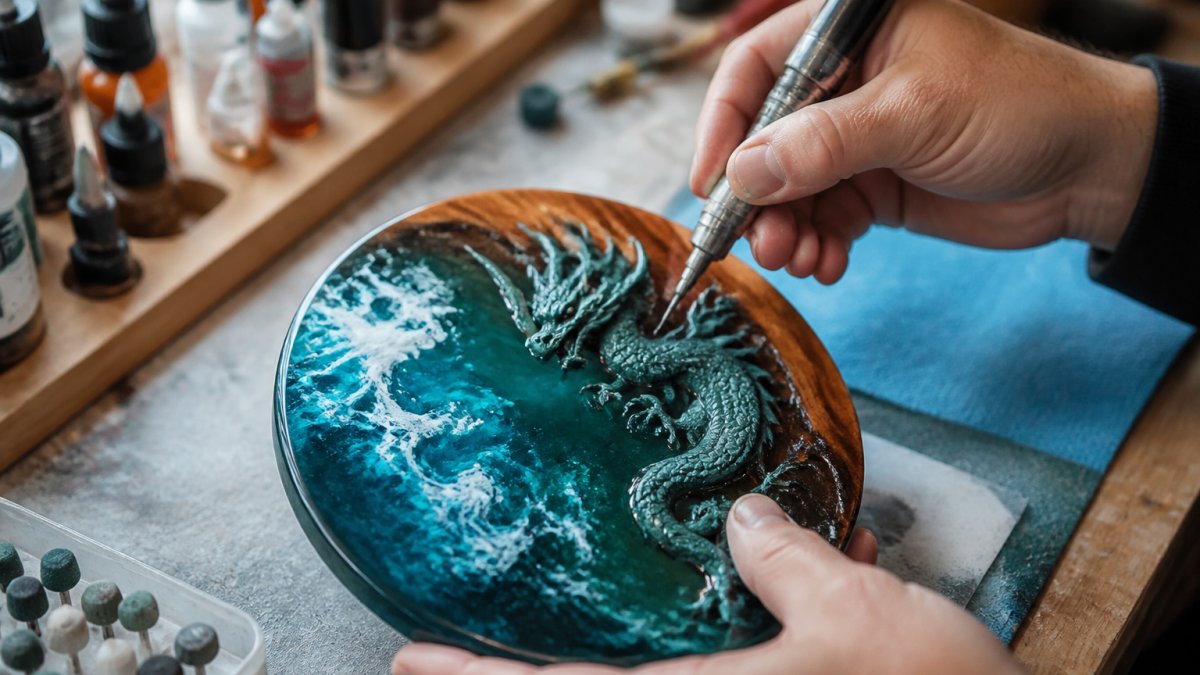
When paying for custom handmade gifts, you're paying for skill and materials. A maker hand-mixing resin colors uses different material than one pouring pre-colored resin. A woodworker sourcing specific species makes different choices than one using cheapest lumber.
Material Quality: What to Ask and How to Interpret Answers
Ask the maker: "What type of resin do you use?" or "What wood species do you work with?" Specific answers like "UV resin from [brand] for faster cure and less yellowing" or "walnut and cherry from a local mill" demonstrate knowledge.
For resin work, ask if colors are hand-mixed (custom shades) or pre-made (limited palette). Ask about inclusions and preservation, and UV stability. A maker who proactively addresses limitations ("UV-stable pigments, keep away from direct sun") is being honest.
For wood items, ask about finish type (oil, polyurethane, lacquer, wax) and trade-offs. Ask if the finish is food-safe for items contacting food. If a maker claims food-safety without specifying the finish, that's a red flag.
Finishing Process: Hand-Finished vs. Automated
Ask: "Is every piece hand-finished, or are some steps automated?" Hand-finishing catches imperfections and creates intentional variations rather than mass-produced uniformity.
Hand-finishing makers describe detailed processes ("sand by hand to 400 grit, apply finish in thin coats, inspect for dust"). Automated makers mention spray booths or tumblers. Automation is faster and cheaper but less precise.
Ask to see photos of multiple pieces in the same design. Identical pieces suggest automation; subtle variations suggest hand-work. Ask the maker to clarify which variations are intentional (hand-mixed color shifts) versus defects (bubbles, dust, uneven finish).
Quality Inspection: How Defects Are Caught
Ask: "How do you inspect pieces before shipping? Do you photograph my specific item?" Makers who photograph every piece signal confidence and accountability. Those who inspect without photographing rely on your trust. Those with no inspection process are a major red flag.
Ask what happens if a piece arrives defective. Good makers replace or refund without hassle. Makers requiring proof of fault or charging restocking fees don't stand behind their work. Get the policy in writing before ordering.
Ask: "What percentage of pieces do you reject before shipping?" Rejecting 5-10% signals high standards. "Almost none" suggests insufficient inspection. Refusing to answer is evasive.
Design Retirement and Exclusivity
Some makers retire designs after a set number of pieces, signaling exclusivity. Others make designs indefinitely. If exclusivity matters, ask about retirement and get a written commitment.
Red Flags That Indicate Lower Craftsmanship
Red flags include: vague material descriptions ("premium resin" without specifics); no design approval process; no photos of finished pieces; unwillingness to answer process questions; no return/replacement policy; pressure to order quickly; extremely low prices for handmade work.
Before committing, ask: Can they explain material choices specifically? Describe finishing in detail? Photograph pieces before shipping? State their defect rate and replacement policy? Show photos of completed pieces? Offer design approval with proofs? Address limitations transparently? Have a clear return policy?
Turnaround Times, Pricing, and Shipping: What to Expect
Turnaround time affects cost and deadline feasibility. Understanding the relationship between speed, price, and maker type helps you avoid unnecessary rush fees and missed deadlines.
Mass-produced personalized retailers ship in 3-5 days (pre-made templates, automated processes). Laser-engraved items take 1-2 weeks. Hand-finished resin requires 2-4 weeks (hand-mixing, pouring, curing, finishing, inspection). Custom woodworking takes 4-8+ weeks depending on complexity.
Rush orders typically cost 25-50% extra. Some makers offer rush only if capacity allows; others refuse because hand-finishing cannot be safely accelerated. Ask about rush availability before you need it.
Pricing Ranges and What Drives Cost
Hidden Costs: Shipping, Minimum Orders, and Design Fees
Shipping costs vary by maker and item weight. Some makers offer free shipping above a certain order value; others include shipping in their base price. Always confirm shipping costs before checkout, as they can add to your total.
Minimum order quantities exist primarily for bulk corporate gifts or wholesale orders. Most custom gift makers accept single-item orders, but some may require a minimum for custom designs. This is worth asking about if you're ordering just one item.
Design fees are less common but do appear. Some makers charge a one-time design consultation or proof fee that may be credited toward your purchase if you proceed. Others include design proofing in the base price. A few high-end woodworkers or custom studios may charge a design fee upfront if the commission is complex or requires extensive back-and-forth revision. Clarify this before you start the design process.
Evaluating Total Cost and Timeline Against Your Needs
The cheapest option is rarely the best value. A laser-engraved keychain from a mass-market retailer ships fast but may feel thin or poorly finished. A hand-finished resin piece takes longer but will likely feel more substantial and age better. A custom woodworking commission takes months but becomes a heirloom.
Calculate your total cost by adding the base price, shipping, any rush fees, and any design or revision fees. Then compare that total against your deadline and the maker's reputation for quality. If you need a gift in 5 days, a 4-week turnaround is not an option, no matter how good the maker is. If you have 8 weeks and a budget of $100, a custom woodworking piece is unlikely; a hand-finished resin item or premium laser-engraved piece is more realistic.
Ask makers directly: "What is your current lead time, and can you meet [your date]?" If they say yes, ask for that commitment in writing. If they hedge or say "probably," that's a red flag. Reliable makers give clear timelines because they track their workload.
How to Choose the Right Custom Gift Maker for Your Needs
Start by being specific about what you want. Not "a personalized gift", a personalized wooden plaque for a cruise cabin, or a hand-finished resin dragon, or a laser-engraved serving board. The more specific you are, the easier it is to find a maker who specializes in exactly that.
Then ask these questions:
- What's the turnaround time, and can they meet your deadline?
- Do they offer a design approval process, or do you see the finished piece for the first time when it arrives?
- What happens if there's a defect or you're unhappy with the result?
- Can they show you photos of similar pieces they've made?
- Are they transparent about materials and process?
A maker who answers these questions clearly and confidently is someone you can trust. A maker who dodges questions or seems evasive is a red flag.
The best choice depends on your priorities. If you need something fast and budget-friendly, a laser-engraved gift from a reliable maker works well. If you want something truly unique and are willing to wait, a small-batch studio like Irishman Gifts, where every piece is hand-finished and inspected, delivers something you can't get anywhere else.
Frequently Asked Questions
What are the main differences between custom gift makers like Mindful Creations Woodworking alternatives?
Custom gift makers differ in production methods, materials, turnaround times, and pricing. Some specialize in laser-engraved wood, others in 3D-printed resin or hand-carved pieces. Key differences include batch size (small-batch artisans vs. larger operations), design customization limits, hand-finishing processes, and whether items are made-to-order or pre-designed. Lead times range from weeks to months, and pricing depends on complexity, materials, and personalization depth. Evaluating craftsmanship quality, shipping costs, and return policies helps you find the right fit.
How do I know if a custom handmade gift maker is actually hand-finishing their work?
Legitimate artisans provide process documentation: in-progress photos, studio tours, or detailed descriptions of hand-finishing steps. Look for makers who explain their specific techniques, show variation between pieces (true handmade items have minor differences), and offer transparency about materials and production timelines. Check customer reviews for mentions of quality inconsistencies or mass-production signs. Ask the maker directly about their process, authentic craftspeople are eager to discuss their methods. Avoid sellers who cannot explain how items are finished or who claim hand-finishing but offer identical pieces at very low prices.
What should I compare when choosing between custom wood gifts and other personalized wooden gifts?
When comparing custom wood gifts and personalized wooden gifts, evaluate: material quality (wood type, resin blend, finish durability), customization scope (design changes allowed, personalization limits), turnaround time (rush-order availability for your deadline), pricing structure (per-unit cost, minimum orders, shipping fees), craftsmanship proof (customer photos, reviews, maker credentials), and durability guarantees (warranty, return policy, expected lifespan). Also consider the maker's batch size philosophy, some retire designs after 20-30 pieces for exclusivity, while others produce unlimited copies. Request samples or photos in realistic settings (like cruise cabin staterooms) rather than studio backdrops.
Are small-batch handmade gifts worth the higher price compared to mass-produced alternatives?
Small-batch handmade gifts command higher prices because of hand-finishing labor, quality materials, design exclusivity, and limited production runs. You're paying for uniqueness, designs retired after 20-30 pieces ensure your gift is rare. Hand-mixed resin colors, precision 3D printing, and laser etching add durability and personalization depth. Mass-produced items cost less but lack individual attention and may use lower-grade materials. For recipients who value artisanal quality, supporting USA-based craftsmanship, and receiving a one-of-a-kind keepsake, the premium is justified. For budget-conscious buyers or generic gifts, mass production may suffice.
Choosing a custom gift maker is about matching your timeline, budget, and expectations to a maker who can deliver. If you want something unique, hand-finished, and made with genuine care, Irishman Gifts specializes in small-batch resin, 3D-printed, and laser-engraved pieces that are inspected and finished by hand. Every design is retired after 20-30 pieces, and every order ships free within the US. Browse the collection and find your perfect custom gift.
Frequently asked questions
What are the main differences between custom gift makers like Mindful Creations Woodworking alternatives?
Custom gift makers differ in production methods, materials, turnaround times, and pricing. Some specialize in laser-engraved wood, others in 3D-printed resin or hand-carved pieces. Key differences include batch size (small-batch artisans vs. larger operations), design customization limits, hand-finishing processes, and whether items are made-to-order or pre-designed. Lead times range from weeks to months, and pricing depends on complexity, materials, and personalization depth. Evaluating craftsmanship quality, shipping costs, and return policies helps you find the right fit.
How do I know if a custom handmade gift maker is actually hand-finishing their work?
Legitimate artisans provide process documentation: in-progress photos, studio tours, or detailed descriptions of hand-finishing steps. Look for makers who explain their specific techniques, show variation between pieces (true handmade items have minor differences), and offer transparency about materials and production timelines. Check customer reviews for mentions of quality inconsistencies or mass-production signs. Ask the maker directly about their process—authentic craftspeople are eager to discuss their methods. Avoid sellers who cannot explain how items are finished or who claim hand-finishing but offer identical pieces at very low prices.
What should I compare when choosing between custom wood gifts and other personalized wooden gifts?
When comparing custom wood gifts and personalized wooden gifts, evaluate: material quality (wood type, resin blend, finish durability), customization scope (design changes allowed, personalization limits), turnaround time (rush-order availability for your deadline), pricing structure (per-unit cost, minimum orders, shipping fees), craftsmanship proof (customer photos, reviews, maker credentials), and durability guarantees (warranty, return policy, expected lifespan). Also consider the maker's batch size philosophy—some retire designs after 20-30 pieces for exclusivity, while others produce unlimited copies. Request samples or photos in realistic settings (like cruise cabin staterooms) rather than studio backdrops.
Are small-batch handmade gifts worth the higher price compared to mass-produced alternatives?
Small-batch handmade gifts command higher prices because of hand-finishing labor, quality materials, design exclusivity, and limited production runs. You're paying for uniqueness—designs retired after 20-30 pieces ensure your gift is rare. Hand-mixed resin colors, precision 3D printing, and laser etching add durability and personalization depth. Mass-produced items cost less but lack individual attention and may use lower-grade materials. For recipients who value artisanal quality, supporting USA-based craftsmanship, and receiving a one-of-a-kind keepsake, the premium is justified. For budget-conscious buyers or generic gifts, mass production may suffice.