 Irishman Gifts
How to Display Cruise Door Magnets: Step-by-Step Guide
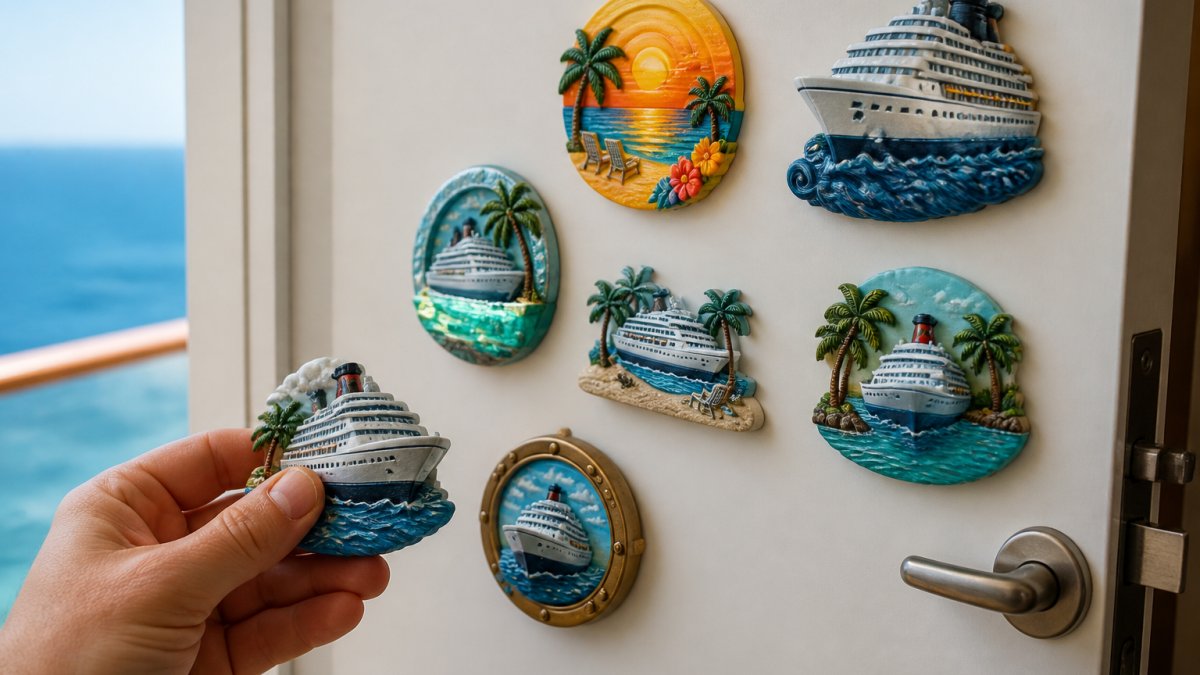
Table of Contents
- Why Cruise Door Magnets Matter: Cabin Identification and Tradition
- Understanding Your Stateroom Door: Material and Magnetic Surface
- Choosing the Right Magnets for Your Cabin Door
- Creative Cruise Door Magnet Ideas for Your Stateroom
- DIY Cruise Door Magnets: Making and Personalizing Your Own
- Step-by-Step Instructions for Displaying and Attaching Magnets
- Cruise Cabin Door Magnet Rules and Decoration Policies
- Personalized Cruise Cabin Door Signs: Custom Options and Alternatives
- Frequently Asked Questions
Last Updated: October 19, 2026
Why Cruise Door Magnets Matter: Cabin Identification and Tradition
Finding your stateroom after a day of exploring the ship is harder than it sounds. Hundreds of identical doors line the hallways. This is where cruise door magnets come in. They turn a plain cabin door into something personal and easy to spot.
Cruise door magnets serve two purposes. First, they help you locate your room quickly when you're tired or in a hurry. Second, they're part of a cruise tradition that's been growing for years. Passengers decorate their doors to celebrate the trip, mark special occasions, or simply add personality to their space.
A custom magnet transforms a generic cabin into a reflection of who you are. Whether it's your first cruise or your tenth, the right door decoration makes the experience feel more special.
The stateroom door becomes a focal point for your group. Cabin mates gather there before excursions. Family members use it as a meeting spot. A decorated door makes these moments feel intentional and celebratory, turning a functional hallway into part of your cruise memory.
Understanding Your Stateroom Door: Material and Magnetic Surface
Not all cruise cabin doors are magnetic. This matters because it determines which magnets will actually work.
Most modern cruise ships use metal doors in their staterooms. These doors are typically made of steel or aluminum. Both materials are magnetic, which means standard magnets will stick to them without any trouble.
However, some older ships or specialty cabins have different door materials. A few vessels use composite or fiberglass doors. These surfaces won't hold magnets at all. Before you pack your magnets, check your cruise line's website or call their customer service to confirm your door type.
The magnetic surface itself is usually painted or coated. This thin layer doesn't affect magnet adhesion. Your magnets will stick just as well to a painted metal door as to bare metal.
Test your magnets before your cruise. Stick them to a metal surface at home to confirm they're strong enough. If they slip off easily or feel weak, they won't perform better on a ship. Stronger magnets are worth the investment. Look for magnets labeled "heavy-duty" or "strong" when shopping.
Choosing the Right Magnets for Your Cabin Door
The strength of your magnet matters more than size. A small, powerful magnet outperforms a large, weak one.
Cruise door magnets come in different styles. Flat magnetic sheets are popular and affordable. They stick directly to the door surface. Magnetic strips with decorative backing offer a more finished look. Some cruisers use small neodymium magnets paired with custom artwork or photos.
Weight capacity is the key consideration. Your magnet needs to hold whatever you're displaying. A thin paper banner requires less holding power than a heavy wooden plaque. Check the magnet's weight rating before buying.
Material thickness also affects performance. Thicker magnets generally offer stronger holding power. A magnet that's 1/4 inch thick will hold better than one that's 1/8 inch thick.
Consider the cruise line's decoration policy before selecting your magnets. Some lines limit magnet size or prohibit certain materials. Checking these rules first saves disappointment. You don't want to arrive at your cabin only to discover your decoration violates ship policy.
Temperature matters on a cruise. Cabin temperatures fluctuate. Magnets perform better in cooler conditions. In hot cabins, magnet strength can decrease slightly. Choose magnets with a higher strength rating if you're cruising in warm climates.
Creative Cruise Door Magnet Ideas for Your Stateroom
The possibilities for cruise door magnet designs are nearly endless.
Photo-based magnets let you display family pictures or vacation memories. Many print shops create custom magnets from your photos. These work especially well for milestone cruises like anniversaries or milestone birthdays.
Themed decorations match your cruise destination or the ship's theme. A Caribbean cruise might feature tropical designs. An Alaska cruise could showcase wildlife imagery.
Personalized name magnets help family members identify the room. Large letters with your family name or cabin number make the door instantly recognizable. This works great for group cruises where multiple families are traveling together.
Milestone magnets celebrate special occasions. First cruise magnets, anniversary cruises, or birthday trip designs turn your door into a celebration announcement. Other passengers stop to congratulate you.
Ship-themed designs feature the actual cruise ship you're traveling on. Many companies create magnets with accurate ship renderings. These become keepsakes that remind you of your specific voyage.
Character or fantasy designs appeal to Disney cruisers or fans of specific franchises. Licensed character magnets bring personality to your space. These are especially popular with families traveling with children.
Handcrafted options from artisanal makers add genuine uniqueness. Small-batch studios create one-of-a-kind designs that mass-produced magnets can't match. Each piece reflects careful attention to detail and quality craftsmanship.
DIY Cruise Door Magnets: Making and Personalizing Your Own
Creating your own cruise door magnets is simpler than you might think.
Photo magnets are the easiest DIY project. Print your photo on magnetic paper using a home or office printer. Cut it to your desired size and shape. Stick it directly to the door.
Hand-painted designs let you express creativity. Use acrylic paint on a magnetic sheet or wooden backing. Paint designs, family names, or cabin numbers.
Collage magnets combine multiple elements. Cut pictures from magazines, print digital images, or draw designs. Arrange them on a magnetic backing. Glue everything down with a strong adhesive rated for magnets.
Wooden magnets offer durability and style. Cut wood to your preferred shape and size. Paint or stain it. Attach strong magnets to the back using adhesive rated for both wood and magnets.
Resin magnets create professional-looking results. Mix resin according to package directions. Pour into molds. Add colors, glitter, or embedded objects before it hardens. Once cured, attach magnets to the back.
Laser-engraved magnets require access to a laser cutter or a shop that offers this service. Upload your design file. The laser etches your image onto wood or acrylic.
The key to successful DIY magnets is using the right adhesive. Standard craft glue won't hold magnets reliably. Use adhesive specifically designed for magnets.
Step-by-Step Instructions for Displaying and Attaching Magnets
Preparing Your Door Surface
Start by cleaning your cabin door thoroughly. Use a dry cloth to remove dust and debris. If the door is sticky or has residue, use a slightly damp cloth. Let it dry completely before attaching magnets.
Check the door surface for any damage or rough spots. Sand down rough areas gently. This ensures your magnets make full contact with the door.
Inspect the door material one final time. Run your hand across the surface to confirm it's smooth and clean. A clean surface improves magnet adhesion significantly.
Positioning and Arranging Your Magnets
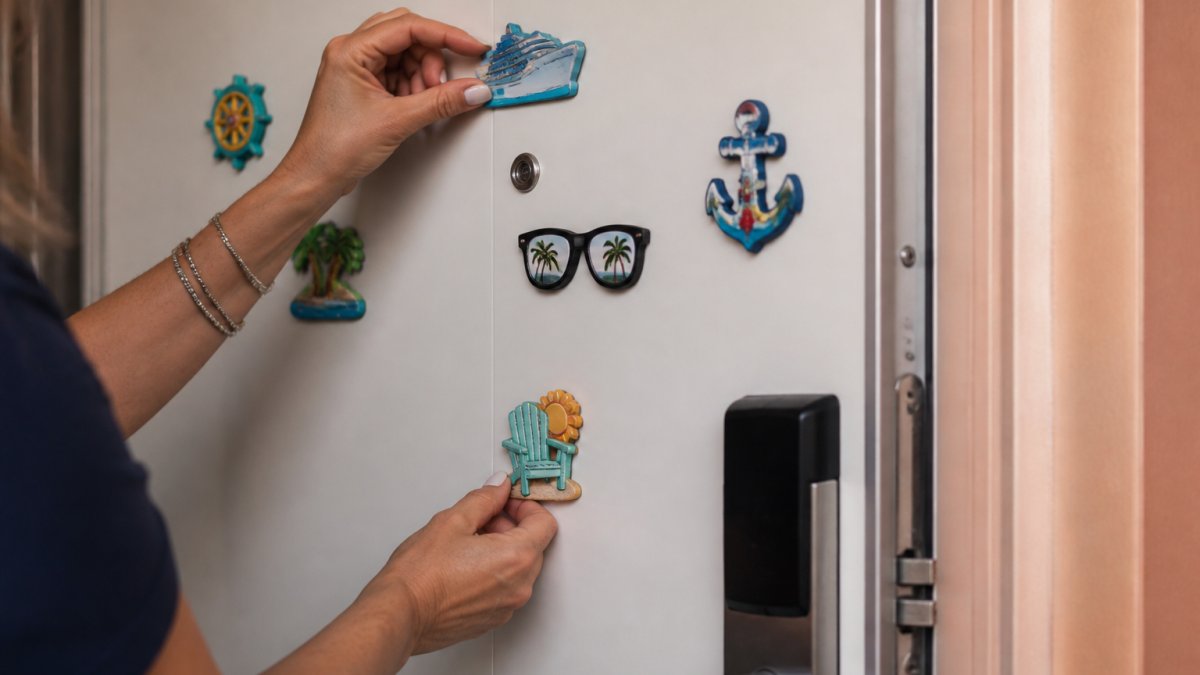
Plan your layout before attaching anything. Stand back and visualize where each magnet will go. Consider the door's center point as your focal area. Most people place their main decoration in the middle third of the door.
Balance is important. If you're hanging multiple magnets, space them evenly. Avoid clustering everything on one side. A symmetrical arrangement looks more polished than a random placement.
Think about other passengers' sight lines. Your decoration should be visible from the hallway without blocking neighbors' doors. Position magnets within your door's boundaries.
Securing and Removing Magnets Safely
Press your first magnet firmly against the door. Hold it for 5-10 seconds. This allows the magnet to establish a strong grip on the metal surface.
Add additional magnets one at a time. Press each one firmly. Don't rush this step. Proper initial placement prevents magnets from slipping later.
Test the hold by gently tugging on each magnet. It shouldn't move. If it shifts, reposition it or use a stronger magnet.
When it's time to remove magnets, pull slowly and steadily. Don't jerk or twist. Slow removal prevents damage to the magnet backing and the door surface. Most magnets leave no residue or marks on painted metal doors.
Store removed magnets carefully. Keep them separated from metal objects. Store them in a cool, dry place during your cruise.
Cruise Cabin Door Magnet Rules and Decoration Policies
Cruise lines have specific rules about cabin decorations. These policies vary by company and ship.
Most cruise lines permit magnetic decorations. They're generally considered non-damaging and temporary. However, some restrictions typically apply.
Size limits are common. Many cruise lines allow decorations up to a certain width and height. Typical limits range from 12 to 24 inches wide.
Material restrictions may apply. Some lines prohibit heavy items, glass, or anything that could fall and injure someone. Lightweight magnets almost always pass these requirements.
Damage concerns are the main reason for policies. Adhesives, nails, and tape can damage paint or finishes. Magnets avoid this problem entirely. They're generally viewed favorably compared to other decoration methods.
Quantity limits sometimes exist. A cruise line might allow one decoration per cabin or limit total number. Read your cruise documents carefully.
Prohibited items typically include anything with suction cups, tape, or adhesive. Religious symbols, political messages, or controversial imagery may be restricted on some lines. When in doubt, ask your cabin attendant.
Duration rules specify how long decorations can stay up. Most cruise lines allow decorations throughout your voyage. Some require removal during the last night or before checkout.
Contact your specific cruise line if you're unsure about policies. Customer service can confirm what's permitted for your ship and sailing date.
Personalized Cruise Cabin Door Signs: Custom Options and Alternatives
Custom magnetic signs offer personalization that generic decorations can't match.
Professional custom printing services create magnets from your designs. Upload artwork or photos. Choose size and material. The company prints and ships your magnets.
Name and number combinations are the most popular custom option. Include your family name, cabin number, or both.
Photo magnets preserve cruise memories before the trip even ends. Print photos from your phone or camera. Magnetic backing makes them instantly displayable.
Milestone celebration magnets mark special occasions. First cruise designs, anniversary trip magnets, or birthday celebration signs turn your door into a celebration announcement.
Themed designs match your cruise destination or personal interests. Disney cruise magnets, tropical designs, adventure themes, or family-specific artwork create immediate visual interest.
Artisanal handcrafted magnets offer genuine uniqueness. Small-batch studios like Irishman Gifts create one-of-a-kind designs with careful attention to detail.
Alternatives to magnets work if your door isn't magnetic. Over-the-door hooks hold lightweight decorations.
Combination approaches layer different decoration types. A magnetic base with attached ribbon, fringe, or additional elements creates depth and visual interest.
Finding your cabin quickly matters on a cruise. Decorating your stateroom door makes the experience feel more personal and celebratory.
The right magnets combine strength, durability, and style.
Frequently Asked Questions
Are all cruise cabin doors magnetic?
Most modern cruise ship stateroom doors are magnetic because they're made of metal. However, some older ships or certain cabin types may have non-magnetic doors. Before you board, check your cruise line's website or call ahead to confirm your specific door type. If your door isn't magnetic, command hooks or other non-adhesive alternatives work well for displaying decorations without damaging the surface.
How do you keep cruise door magnets from falling off?
Strong magnets with a magnetic backing stay secure if your door is metal. Clean the door surface with a dry cloth first to remove dust and salt spray residue. Position magnets firmly and check them daily, especially in rough seas. If magnets slip, your door may not be fully magnetic, or the magnetic backing may be weak. Consider upgrading to stronger magnets or using command hooks as a backup for heavier decorations.
What cruise door magnet ideas work best for personalization?
Popular cruise door magnet ideas include family names, cabin numbers, themed designs matching your cruise destination, anniversary dates, and custom artwork. Personalized magnets featuring your family photo, ship name, or inside jokes create memorable cabin identification. Many cruisers combine multiple magnets to create a display that tells their cruise story. Handcrafted, artisanal magnets add a unique touch that mass-produced options can't match.
What are the rules for cruise cabin door decorations?
Most cruise lines allow magnetic decorations on stateroom doors but prohibit tape, glue, nails, and adhesive hooks that damage the surface. Decorations must not block cabin numbers, emergency information, or safety placards. Avoid decorations that create fire hazards or obstruct hallway traffic. Check your cruise line's specific decoration policy before boarding, policies vary by cruise line and ship. When in doubt, ask your cabin steward during embarkation.
Frequently asked questions
Are all cruise cabin doors magnetic?
Most modern cruise ship stateroom doors are magnetic because they're made of metal. However, some older ships or certain cabin types may have non-magnetic doors. Before you board, check your cruise line's website or call ahead to confirm your specific door type. If your door isn't magnetic, command hooks or other non-adhesive alternatives work well for displaying decorations without damaging the surface.
How do you keep cruise door magnets from falling off?
Strong magnets with a magnetic backing stay secure if your door is metal. Clean the door surface with a dry cloth first to remove dust and salt spray residue. Position magnets firmly and check them daily, especially in rough seas. If magnets slip, your door may not be fully magnetic, or the magnetic backing may be weak. Consider upgrading to stronger magnets or using command hooks as a backup for heavier decorations.
What cruise door magnet ideas work best for personalization?
Popular cruise door magnet ideas include family names, cabin numbers, themed designs matching your cruise destination, anniversary dates, and custom artwork. Personalized magnets featuring your family photo, ship name, or inside jokes create memorable cabin identification. Many cruisers combine multiple magnets to create a display that tells their cruise story. Handcrafted, artisanal magnets add a unique touch that mass-produced options can't match.
What are the rules for cruise cabin door decorations?
Most cruise lines allow magnetic decorations on stateroom doors but prohibit tape, glue, nails, and adhesive hooks that damage the surface. Decorations must not block cabin numbers, emergency information, or safety placards. Avoid decorations that create fire hazards or obstruct hallway traffic. Check your cruise line's specific decoration policy before boarding—policies vary by cruise line and ship. When in doubt, ask your cabin steward during embarkation.