 Irishman Gifts
Why Buy Small Batch Resin Crafts: A 2026 Guide
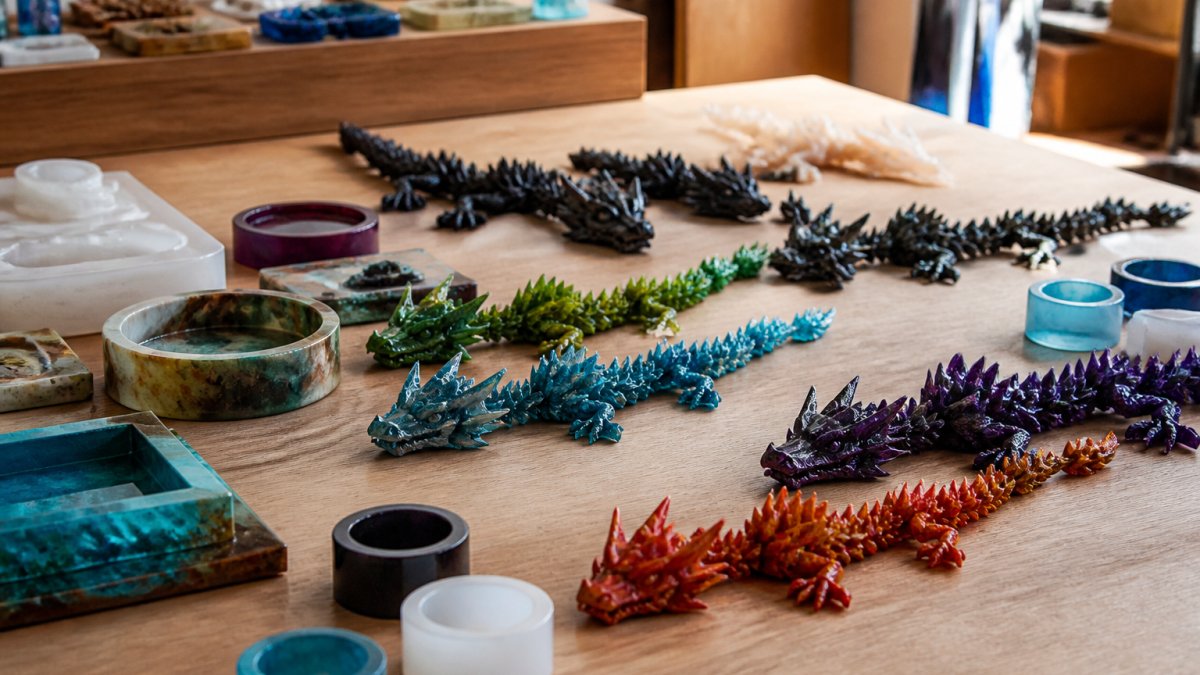
Table of Contents
- Why Small Batch Resin Crafts Beat Mass Production
- Custom Resin Serving Trays for Gifts: Personalization That Lasts
- Resin Craft Quality: How to Spot Exceptional Workmanship
- The Real Cost of Small Batch Resin Crafts (and Why It's Worth It)
- Resin Serving Tray Food Safety: What You Need to Know
- How to Care for Resin Crafts: Maintenance for Longevity
- Safety, Sustainability, and the Small Batch Difference
- Conclusion: Why Small Batch Resin Crafts Are Worth Seeking Out
- Frequently Asked Questions
Last Updated: October 14, 2026
Why Small Batch Resin Crafts Beat Mass Production
When you buy small batch resin crafts, you're buying a piece that was poured, finished, and inspected by a person rather than a production line.
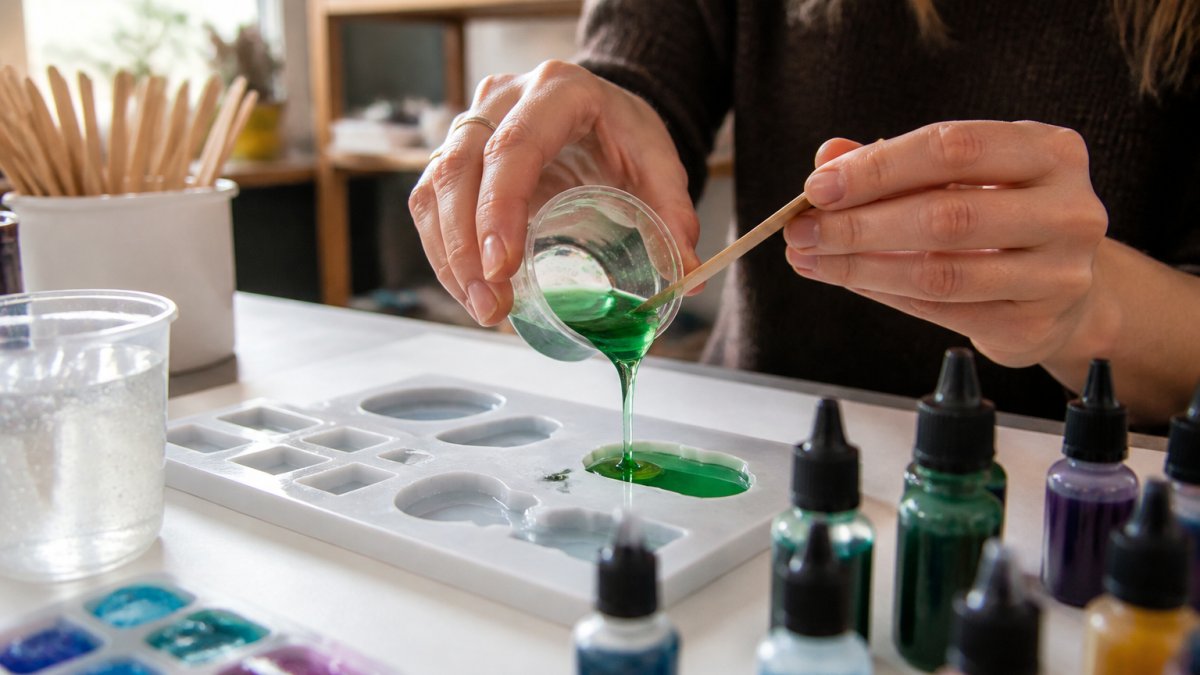
Mass production optimizes for volume. Small batch production optimizes for the pour.
The practical difference shows up in three places: how the resin cures, how the edges are finished, and how many pieces get discarded.
The Difference Between Hand-Poured and Factory-Made
Hand-poured resin is mixed in small quantities, which gives the maker tighter control over the mixing ratio. Epoxy resin depends on an accurate ratio of resin to hardener; get it wrong and the piece stays tacky, cures cloudy, or never fully hardens.
Factory-made pieces often use automated mixing and large molds. That's efficient, but it also means a single bad batch produces hundreds of flawed units before anyone catches the problem.
What Small Batch Actually Means for Your Purchase
Small batch means the maker pours a limited number of pieces at a time, often retiring a design after a set run. Irishman Gifts, for example, retires designs after 20-30 pieces. That's the trade-off you're buying into: less availability, more attention per item.
When you buy small batch resin crafts, you're also buying traceability. If something is wrong with your piece, there's a person who remembers making it.
Custom Resin Serving Trays for Gifts: Personalization That Lasts
Custom resin serving trays for gifts work because resin holds color, embedded objects, and engraved detail better than most gift materials.
The catch is that personalization only looks good when the maker controls the pour. Resin is unforgiving of bubbles and uneven pigment.
For gift-givers, the appeal is simple: a personalized tray is used, displayed, and remembered.
- Name or monogram engraving
- Custom color matching to a room or theme
- Embedded decorative elements
- One-off designs for milestone occasions
If you're ordering for a specific date, ask about lead time early.
Resin Craft Quality: How to Spot Exceptional Workmanship
Resin craft quality comes down to four visible signals: clarity, edge finish, bubble count, and color consistency. You can judge most pieces in under a minute once you know what to look for.
Start with the surface. A well-made piece has a smooth, even top with no sticky spots or cloudy patches.
Then check for bubbles. Some bubbles are unavoidable in resin work, but a quality piece has few, and they're not clustered where they'd be most visible.
Color consistency matters too. Hand-mixed resin colors vary slightly from piece to piece, and that's normal in small batch work. What you don't want is streaking or separation within a single piece.
The Real Cost of Small Batch Resin Crafts (and Why It's Worth It)
Small batch resin crafts cost more per item than mass-produced alternatives, and the reason is arithmetic, not marketing. Each piece carries the cost of the resin, the pigment, the mold time, and the finishing work, plus the pieces that didn't pass inspection. Most competitors stop at that sentence. Here's the actual math.
What Goes Into a Single Piece
A small-batch maker's cost per finished piece breaks into four buckets:
- Resin and hardener. Sold as a two-part kit; the resin-to-hardener ratio determines how far a kit stretches. A kit that yields a fixed volume of mixed resin produces a predictable number of pieces only if the maker controls pour size.
- Pigment and inclusions. Mica powders, alcohol inks, and embedded objects are cheap per piece but add up across a run, and specialty pigments cost more than standard ones.
- Mold and tooling. Silicone molds wear out. A mold has a finite number of pours before detail softens, so its cost is amortized across the pieces it produces.
- Labor and finishing. Mixing, pouring, demolding, sanding, polishing, and inspecting are all hands-on. This is the largest line item in small batch work and the one mass production eliminates.
Yield Is the Number Buyers Underestimate
When a maker pours twenty pieces and discards three, the cost of those three doesn't disappear. It's built into the price of the seventeen that ship.
A common pattern in small studios: a batch of twenty trays might yield fifteen to eighteen sellable pieces after bubbles, incomplete cures, and color inconsistencies are pulled. The failed pieces still consumed resin, pigment, mold time, and labor.
Break-Even in Plain Terms
Break-even for a small-batch maker is the point where revenue from sold pieces covers the cost of the entire batch, including the discards. If a batch costs a fixed amount in materials and labor and yields a known number of sellable pieces, the maker needs to sell enough of them at a given price to clear that batch cost before any profit appears.
Two levers move break-even:
- Raising yield. Better mixing discipline, degassing, and temperature control reduce discards, which lowers the effective unit cost without changing the price.
- Batch size. Pouring smaller batches limits exposure when a design doesn't sell, but it also raises per-piece labor because setup time is spread across fewer units. There's a sweet spot, and it differs by product.
Why the Premium Is Defensible
Pricing for any specific piece depends on size, materials, and customization, so check the studio's current listings for exact figures. What you're paying for is the finishing time, the inspection, and the yield loss, not just the resin.
If you're comparing two pieces and one is cheaper, ask what's different: thinner pour, fewer finishing steps, sampled rather than per-piece inspection, or a design that never retires. The price gap usually maps to one of those.
Resin Serving Tray Food Safety: What You Need to Know
Resin serving tray food safety depends on the resin type, the cure, and how the tray is used. Fully cured, food-safe epoxy is generally considered suitable for incidental food contact, but not all resin is made for it. The key distinction is between "food-safe" and "food-contact safe." A resin can be labeled food-safe once fully cured and still not be rated for cutting, hot pans, or direct long-term food storage.
Why Small Batches Help Here
Food safety and small-batch production are connected in a way most guides skip. A full cure depends on an accurate resin-to-hardener ratio and adequate cure time.
A large automated batch that's slightly off-ratio can produce hundreds of pieces with an incomplete cure before anyone catches it. A small batch that's off-ratio produces a handful, and the maker can pull them. That's a quality-control advantage, not just a cost one.
How to Verify Cure Before You Use a Tray
A fully cured piece is hard, dry, and odor-free. If a tray feels tacky, smells like chemicals, or shows soft spots, it isn't fully cured and shouldn't be used for food. Cure time varies by resin formulation and ambient temperature; cool rooms slow the reaction. Ask the maker what cure schedule they follow and how they confirm it.
Practical Rules for Use and Care
- Confirm the maker used a resin rated for food contact
- Avoid cutting directly on a resin tray; use a liner or a separate board
- Don't place hot cookware straight onto resin; heat can soften or mark the surface
- Wipe rather than soak, and avoid harsh abrasives
- Don't use resin trays for long-term food storage or acidic liquids
Batch Planning and Waste Reduction
Mixed resin has a working time and can't be saved indefinitely, so leftover material is waste. Small-batch makers plan pour sizes to match the molds they're filling, which minimizes leftover mixed resin. This is the same discipline that supports food safety: measuring accurately, mixing only what's needed, and not stretching a batch past its working time.
Responsible disposal of cured resin scraps and unused mixed resin is a real consideration for any studio. It's worth asking makers how they handle it.
Questions Worth Asking a Maker
If food safety is your priority, ask directly which resin they use, what it's rated for, and how they verify a full cure. A small studio can answer those questions. A mass-market listing often can't. That access to the person who made the piece is part of what you're buying.
How to Care for Resin Crafts: Maintenance for Longevity
How to care for resin crafts comes down to three habits: clean gently, store carefully, and keep them out of prolonged direct sun.
For everyday cleaning, use a soft cloth with mild soap and warm water. Avoid alcohol-based cleaners, acetone, and abrasive pads; these can dull the surface or leave permanent marks.
Storage matters for pieces you're not displaying. Keep them out of direct sunlight for long periods, since UV exposure can yellow some resins over time. Stack trays with a soft cloth between them to prevent scratches.
For engraved or laser-etched pieces, clean along the etching rather than across it, and avoid letting liquids pool in the grooves.
Safety, Sustainability, and the Small Batch Difference
Resin safety and ventilation are part of what you're paying for in small batch work, even though you never see it. Uncured epoxy releases fumes, and responsible studios manage that with proper ventilation and protective equipment (the CDC).
The OSHA guidance on chemical exposure in small workplaces outlines the kind of ventilation and PPE practices that apply to resin work.
Waste reduction is the other side of the equation. Small batch production generates less unsold inventory, which means fewer finished pieces end up discarded.
Responsible disposal of cured resin scraps and unused mixed resin is a real consideration for any studio. It's worth asking makers how they handle it.
Conclusion: Why Small Batch Resin Crafts Are Worth Seeking Out
The case for small batch resin crafts isn't nostalgia; it's quality control. Fewer pieces per run means tighter mixing ratios, more careful finishing, and a defect rate that gets caught before shipping rather than after.
If you want a piece that's genuinely one of a kind, made and inspected by hand, Irishman Gifts produces small-batch resin serving trays, articulated dragons, and keepsakes in limited runs, with free US shipping on orders of $35 or more.
Browse the current collection to see what's available now, and check back often, since designs retire once a run sells through.
Frequently Asked Questions
What does small-batch mean for handmade resin crafts?
Small-batch means the maker produces a limited number of pieces at a time, often retiring designs after 20-30 units. This allows for closer attention to detail, hand-mixed colors, and individual inspection of each item. Unlike mass production, small-batch resin crafts are made without assembly lines, so every piece receives the maker's direct attention throughout mixing, pouring, curing, and finishing.
Why do small-batch resin crafts cost more than mass-produced items?
The higher cost reflects time, materials, and skill. Small-batch makers measure and mix resin by hand, use quality pigments and molds, and inspect each piece for bubbles or flaws. Designs are often retired after a limited run, so you are paying for exclusivity. The pricing also covers the labor of hand-finishing, which mass-produced items skip entirely. For custom resin serving trays for gifts, that personalization adds further value.
Are resin serving trays suitable for food?
Food safety depends on the specific resin used and how it is cured. Some epoxy resins are formulated for food contact once fully cured, while others are not. Always ask the maker whether their resin serving tray food safety is rated for indirect food contact. Even food-safe trays should not be used with hot items or sharp knives, as these can damage the surface and compromise the resin.
How do you care for a handmade resin tray?
Hand wash with mild soap and warm water, then dry immediately with a soft cloth. Avoid dishwashers, microwaves, and prolonged direct sunlight, which can cause yellowing or warping. Do not use abrasive cleaners or scrubbers. For how to care for resin crafts generally, store pieces away from heat sources and handle with clean hands to prevent oils from dulling the finish.
Mass-produced resin is cheap because it's made in volume, and it looks it. Small batch work costs more because someone mixed, poured, and finished your piece by hand, then inspected it before it shipped. Irishman Gifts builds every order that way: limited runs, hand-finished pieces, and free US shipping on orders of $35 or more. Shop the collection and pick up something that was actually made for you.
Frequently asked questions
What does small-batch mean for handmade resin crafts?
Small-batch means the maker produces a limited number of pieces at a time, often retiring designs after 20-30 units. This allows for closer attention to detail, hand-mixed colors, and individual inspection of each item. Unlike mass production, small-batch resin crafts are made without assembly lines, so every piece receives the maker's direct attention throughout mixing, pouring, curing, and finishing.
Why do small-batch resin crafts cost more than mass-produced items?
The higher cost reflects time, materials, and skill. Small-batch makers measure and mix resin by hand, use quality pigments and molds, and inspect each piece for bubbles or flaws. Designs are often retired after a limited run, so you are paying for exclusivity. The pricing also covers the labor of hand-finishing, which mass-produced items skip entirely. For custom resin serving trays for gifts, that personalization adds further value.
Are resin serving trays suitable for food?
Food safety depends on the specific resin used and how it is cured. Some epoxy resins are formulated for food contact once fully cured, while others are not. Always ask the maker whether their resin serving tray food safety is rated for indirect food contact. Even food-safe trays should not be used with hot items or sharp knives, as these can damage the surface and compromise the resin.
How do you care for a handmade resin tray?
Hand wash with mild soap and warm water, then dry immediately with a soft cloth. Avoid dishwashers, microwaves, and prolonged direct sunlight, which can cause yellowing or warping. Do not use abrasive cleaners or scrubbers. For how to care for resin crafts generally, store pieces away from heat sources and handle with clean hands to prevent oils from dulling the finish.